


Our Packages
Don’t just dream about your next adventure—make it happen! Explore our packages and book now to start creating memories that will last a lifetime.

Itinary
Nav Devi Darshan
Duration: 08 Nights / 09 Days
Places Covered: Haridwar (02 Nights) – Chandigarh (01 Night) – Jawalamukhi (01 Night) – Dharamshala (02 Nights) – Katra (02 Nights)
• Validity: Package prices are valid until December 2024.
• Price Changes: Prices may vary during festivals such as Holi, Diwali, Christmas, and other peak periods.
Day 01: Delhi - Haridwar – (220 Kms. / 6 Hrs)
Arrival at Delhi airport/ railway station and proceed to the Haridwar. Enroute visit Shankubhari Temple Further drive to Haridwar. Upon arrival Check in at hotel.
Overnight at hotel in Haridwar
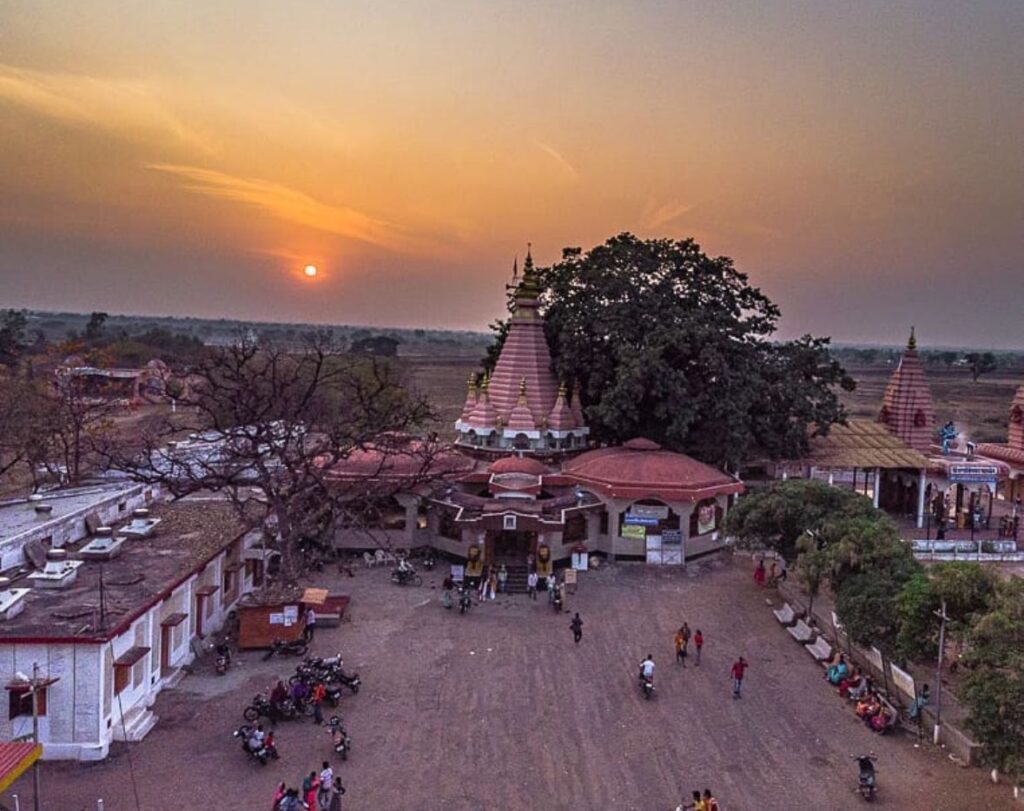
Shankubhari Temple (01): ShaktiPeeth Shakumbhri, meaning the abode of Shakti Goddess Shakambhari, is situated in the Jasmour village area, at a distance of 40 km to the north of Saharanpur in Uttar Pradesh state of Northern India. It has two important temples of Hindu deities: one of the Goddess (Devi) Shakumbhri herself and another one, Bhura-Dev temple.
Day 02: Haridwar
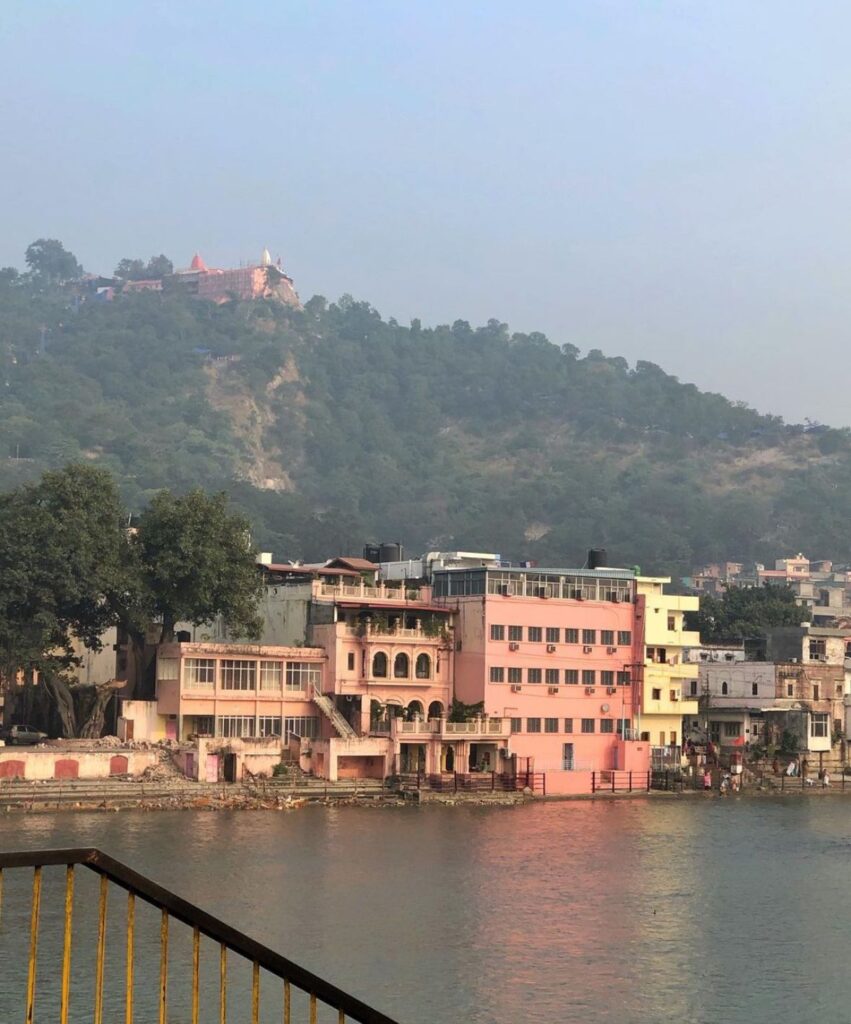
After breakfast proceed sightseeing of Chandi Mandir & Mansa Devi Temple Back to Hotel.
Chandi Mandir (02): this is another Siddhapeeth in Haridwar as it is believed that Goddess Chandi fulfils the wishes of her devotees. Legend has it that once the demon kings Shumbh and Nishumbh expropriated the kingdom of God king of Heaven – Indra. To save heaven, Goddess Parvati assumed the form of Chandi and killed the demons – Chand and Munda (army chiefs of Shumbh and Nishumbh) and thereafter rested on the Neel Parvati where the king of Kashmir Suchat Singh got constructed a temple in 1929. The pilgrims can either take a 5 minutes ropeway ride or a 45 min (3 km) trek to reach the main temple at an altitude of 2900 m. The main idol of Goddess Chanda Devi is said to have been established in the 8th century by Adi Shankaracharya, the greatest priest of Hindu religion.
Mansa Devi Temple (03): the second most popular place in Haridwar is the Mansa Devi temple. Mansa is derived from the word ‘Mansha’ which means ‘wish’. Hence, the Goddess is supposed to fulfil all the wishes of her devotees. People come with a wish and tie a thread to the branches of the tree in the complex. After fulfilment of the wish they come back again to thank the Goddess and untie the thread. It is propitiously located atop the Bilwa Parvat on the Shivali hills (southernmost Himalayan range). One can hike up 1.5 km or take a cable car to the main shrine. The inner shrine has two deities installed, one with eight arms and the other one three headed with five arms.
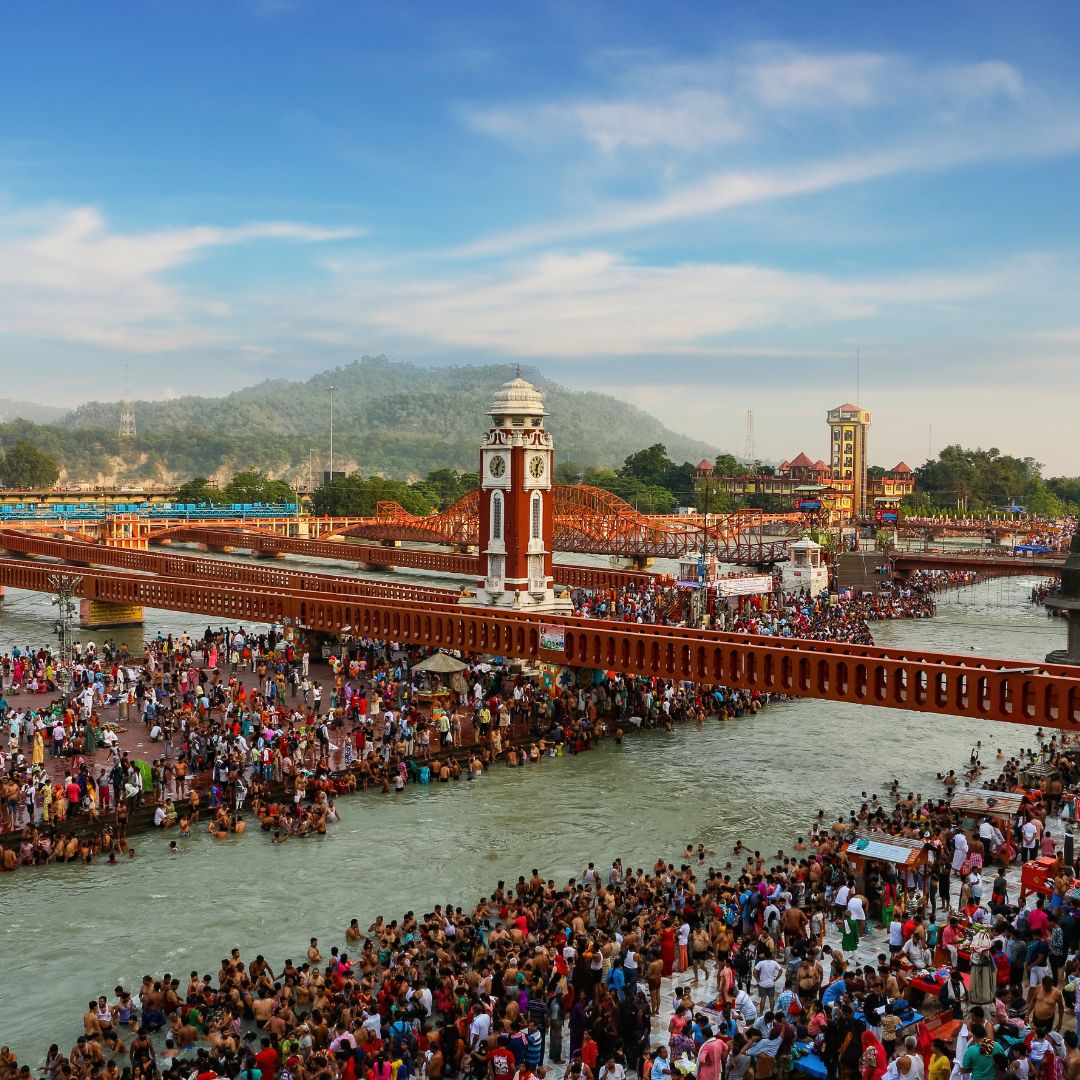
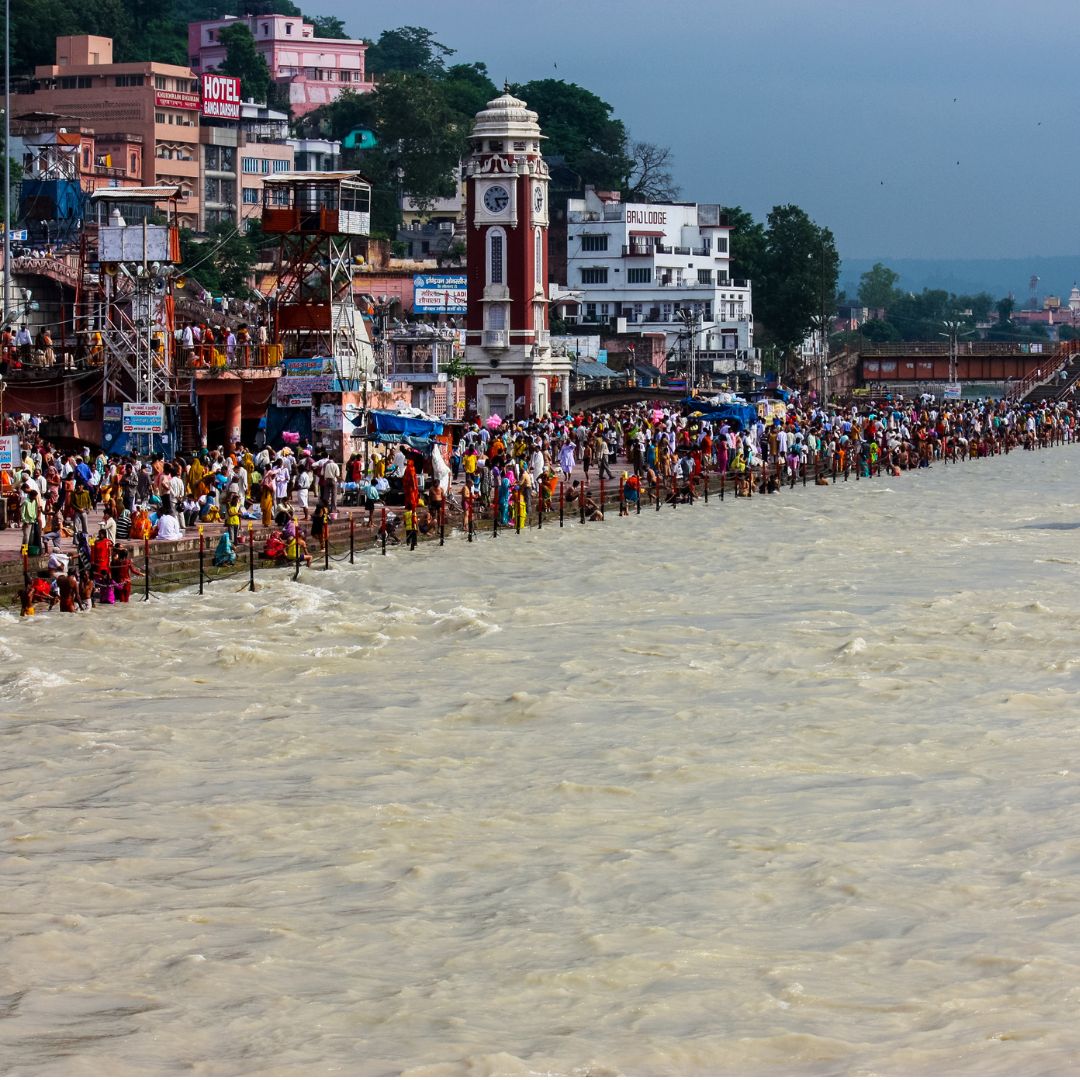
Har-ki-Pairi for Ganga Aarti.
Overnight at hotel in Haridwar.
Day 03: Haridwar - Chandigarh (295 kms / 6 Hrs)
-
After breakfast, Drive to Chandigarh. Check in at Hotel after refresh visit Mansa Devi Temple come back to hotel. Mansa Devi Temple (03): Two temples are located in the complex of Mansa Devi. The main temple is dedicated to Mansa who is worshipped in the sanctum sanctorum both in the form of ‘pindi’ as well as in her anthropomorphic form executed on a marble. In the sanctum sanctorum she is worshipped with Devi Saraswati and Lakshmi in the form of Pindi (Stone pebbles). Overnight stay at hotel in Chandigarh.
Day 04: Chandigarh- Naina Devi - Chintpurni – Jawalamukhi - (200 Kms / 5 Hrs)
-
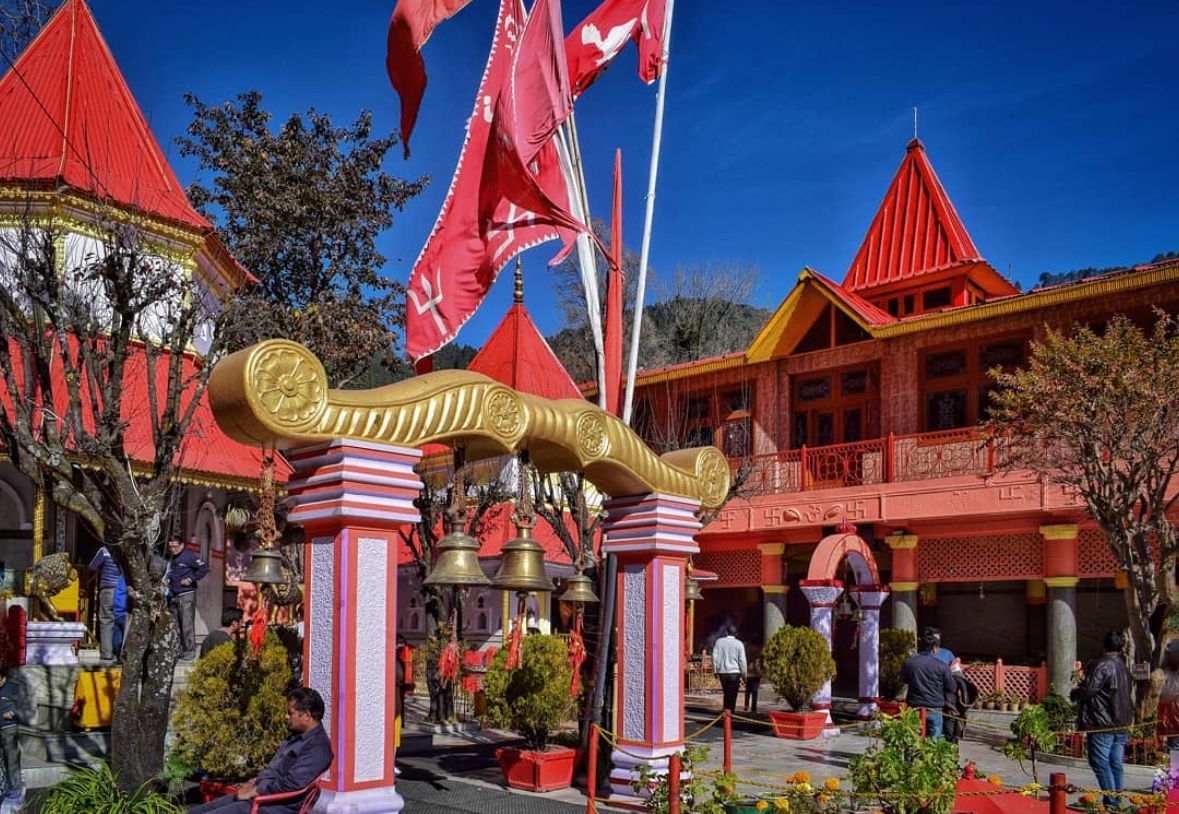
After breakfast, drive to Jawalamukhi. Enroute Visit Naina Devi Temple And later Chintpurni Temple Further drive to Jawalamukhi. Upon arrival check in at Hotel. Naina Devi Temple (04): As per Hindu Mythology and Legend, Lord Shiva's consort Sati burnt herself alive in the Yajna (Yagya) to avenge an insult to Lord Shiva. The distraught Shiva picked corpse and gyrated his horrified dance. Then Lord Vishnu moves his Chakra and cuts the Sati's body into fifty one pieces to save the earth from Shiva's wrath. All the fifty-one places - where parts of Sati's body fell, became known as Shakti Peeth. It is the place where Sati's eyes fell where this temple is situated. Therefore, this temple is known as Naina Devi. The word Naina is associated with Sati's eyes. Chintpurni Temple (05): Chintpurni is one of the most visited religious places in India. Chintpurni is located in Una, Himachal Pradesh. It is surrounded by the Himalaya in the north and east in the smaller Shivalik range bordering the state of Punjab. Further drive to Jawalamukhi. Upon arrival Check in at Hotel. Overnight stay at Hotel Jawalamukhi.
Day 05: Jawalamukhi - Dharamshala (62 kms / 3 Hrs)
-
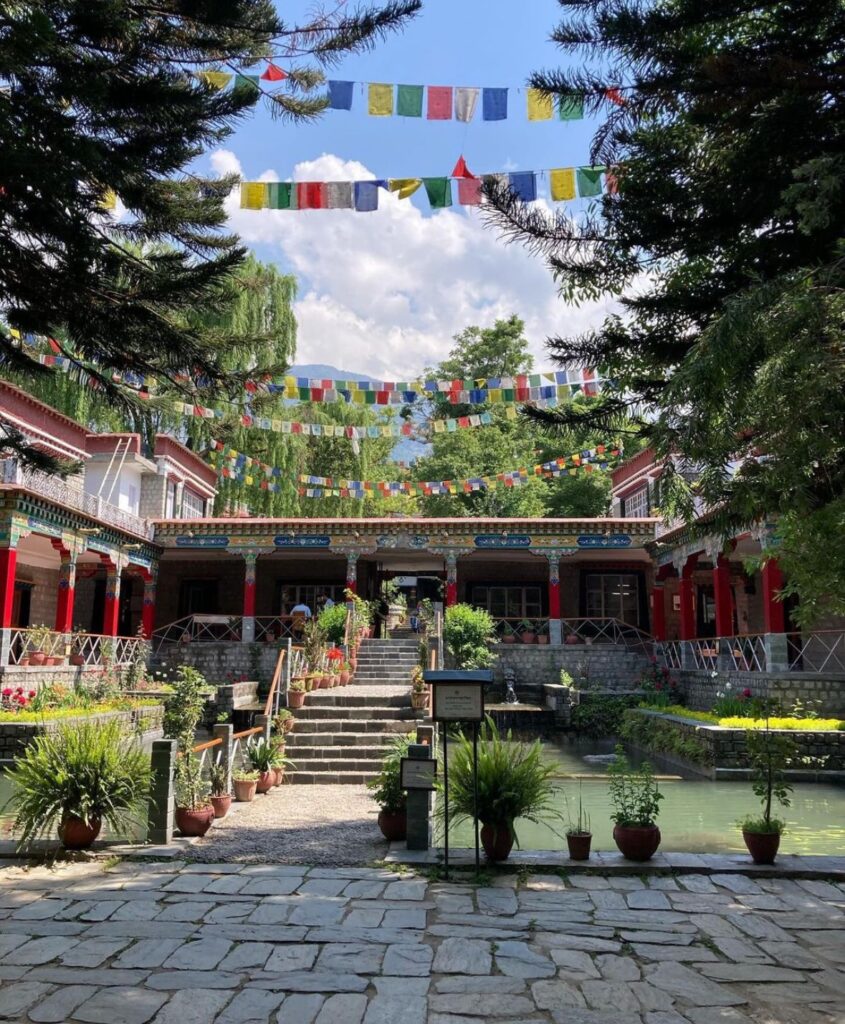
Morning visit Jawalamukhi temple come back to hotel after breakfast check out from hotel and drive to Dharamshala Enroute Visit :- Vajreshwari Devi (or Kangra Devi) (07) Temple in Kangra Further drive to Dharamshala. Upon arrival check in at Hotel. Jawalamukhi Temple (06) (The Flaming Goddess): is recognized as one of the 51 Shaktipeeths of India, Jwalamukhi's Devi Temple, tended by the followers of Goraknath, is set against a cliff. The picturesque temple, built against a wooded spur, in the Indo-Sikh style, has a dome that was gilded by Mughal Emperor Akbar. An eternally burning flame that issues from a hollow rock in the sanctum is considered the manifestation of the goddess Devi. The main attraction is the burning of 9 Flames without any fuel. Vajreshwari Devi (or Kangra Devi) (07) Temple: in Kangra. Maa Brajeshwari Devi, also called Vajreshvari Temple is located in the town of Kangra, Himachal Pradesh, India. As per Hindu Mythology, when Sati's body was cut into different pieces, the remaining parts were in this place. Some also believe that it was Sati's breast that fell here. Some devotees cut off their tongues as a sign of devotion to Goddess. The tongues grow quickly, and sometimes on the spot heeling. Maa is worshipped here in the form of a pindi. The offerings to Goddess are divided into three parts each for Mahalakshmi, Mahakali and Mahasaraswati. Overnight stay at Hotel in Dharamshala
Day 06: Dharamshala
-
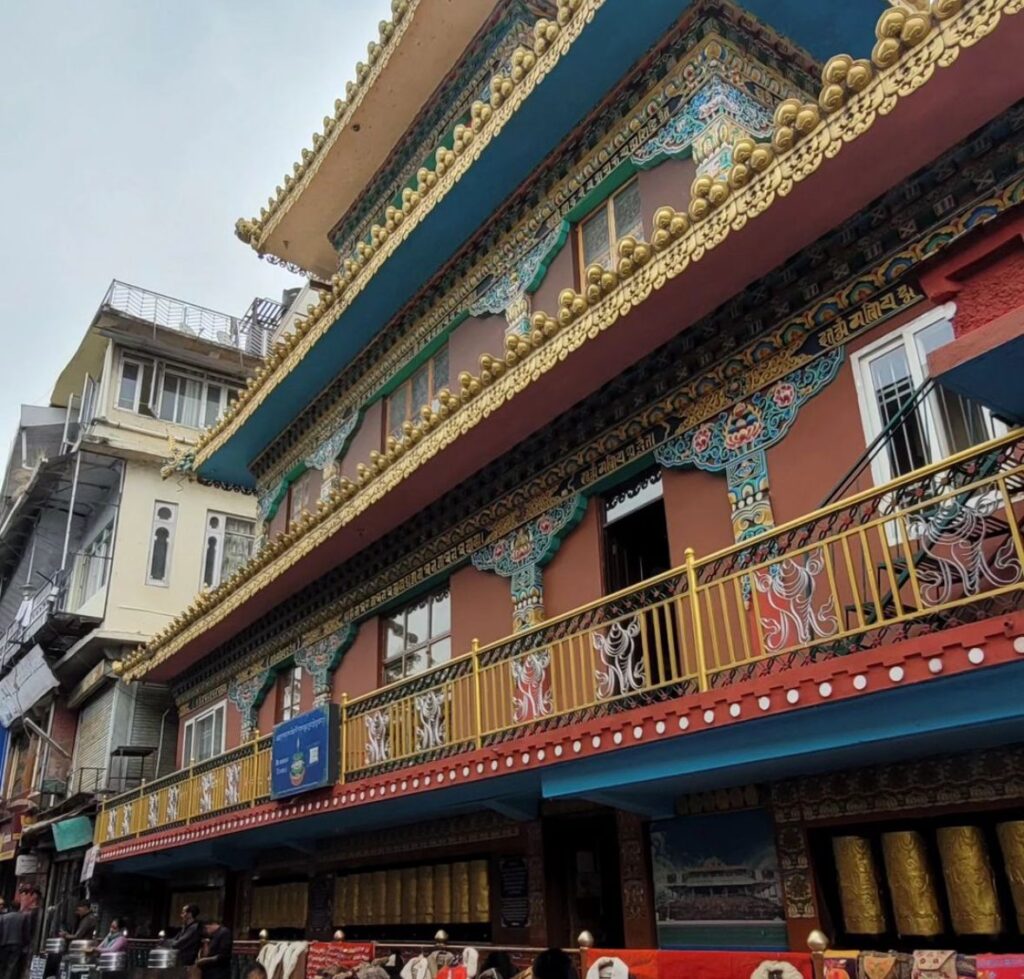
After breakfast, visit Chamunda Devi Temple Later visit Bhagsunag Temple & Buddhist monastery. Back to Hotel. Chamunda Devi Temple (08): Chamunda Devi is revered as a Shakti shrine. This is the place where the Demons Chand and Mund came to conquer Devi Mahakali and during the fight, the Devi cut their heads. The heads were then presented to Maa Ambika, who in turn told Mahakali that She will be worshipped as Chamunda Devi. This Sidhapeeth has now become a place where saints and priests pray amidst natural surroundings. Since this colourful shrine has a wrathful form of Chamunda or Mahakali, it is considered to be very sacred. The idol in the temple is completely hidden beneath a red cloth and it is believed that here Lord Shiva is present in the form of death, destruction and dead bodies along with Chamunda Devi. Devotees flock to this temple to offer prayers, worship and give offerings for their ancestors.
Day 07: Dharamshala - Jammu - via Pathankot (256 Kms / 8 Hrs)
-
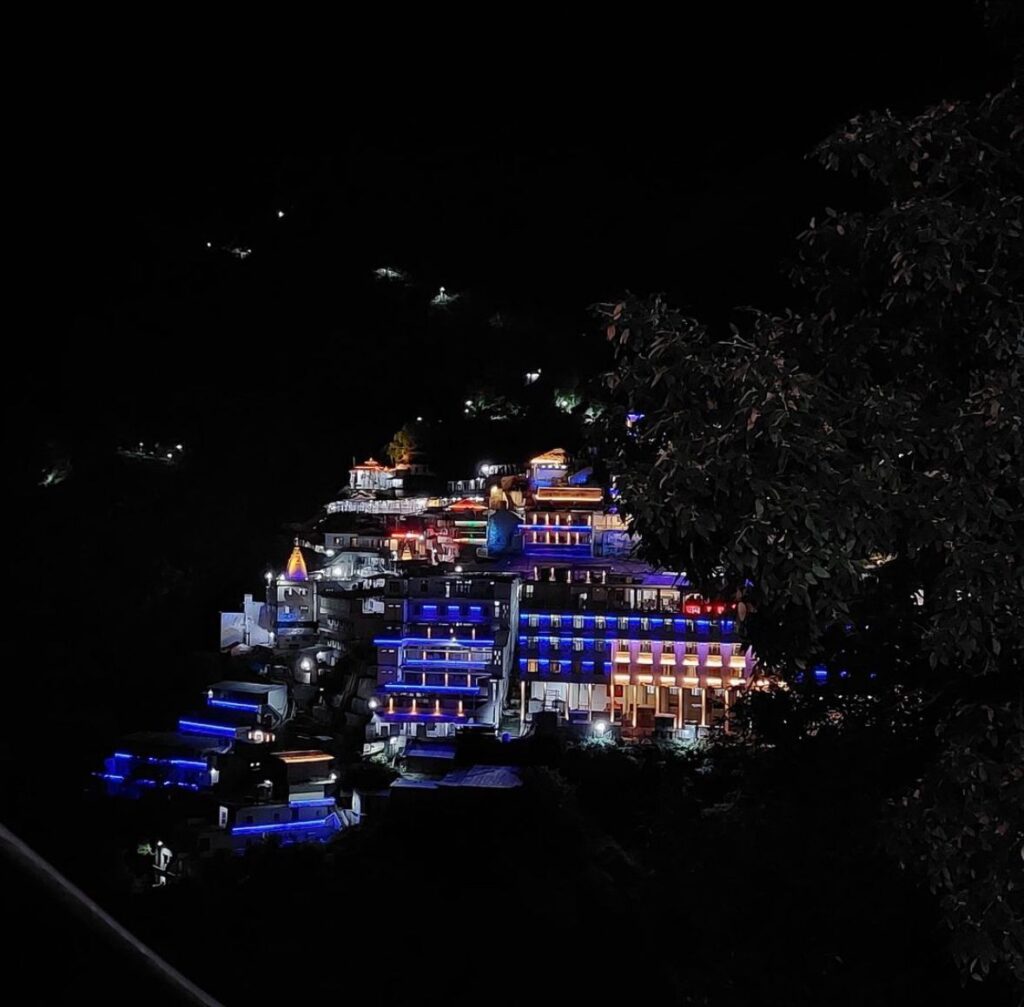
After breakfast, leave for Jammu by surface. Reach Katra and transfer to hotel. Get freshen up in the hotel in Katra. Later, trek to Vaishno Devi. Overnight stay in a Dharamshala in Vaishno Devi. Overnight stay at Hotel in Jammu
Day 08: Jammu - Vaishno Devi – Jammu (Helicopter Ride) (100km/10 Hrs)
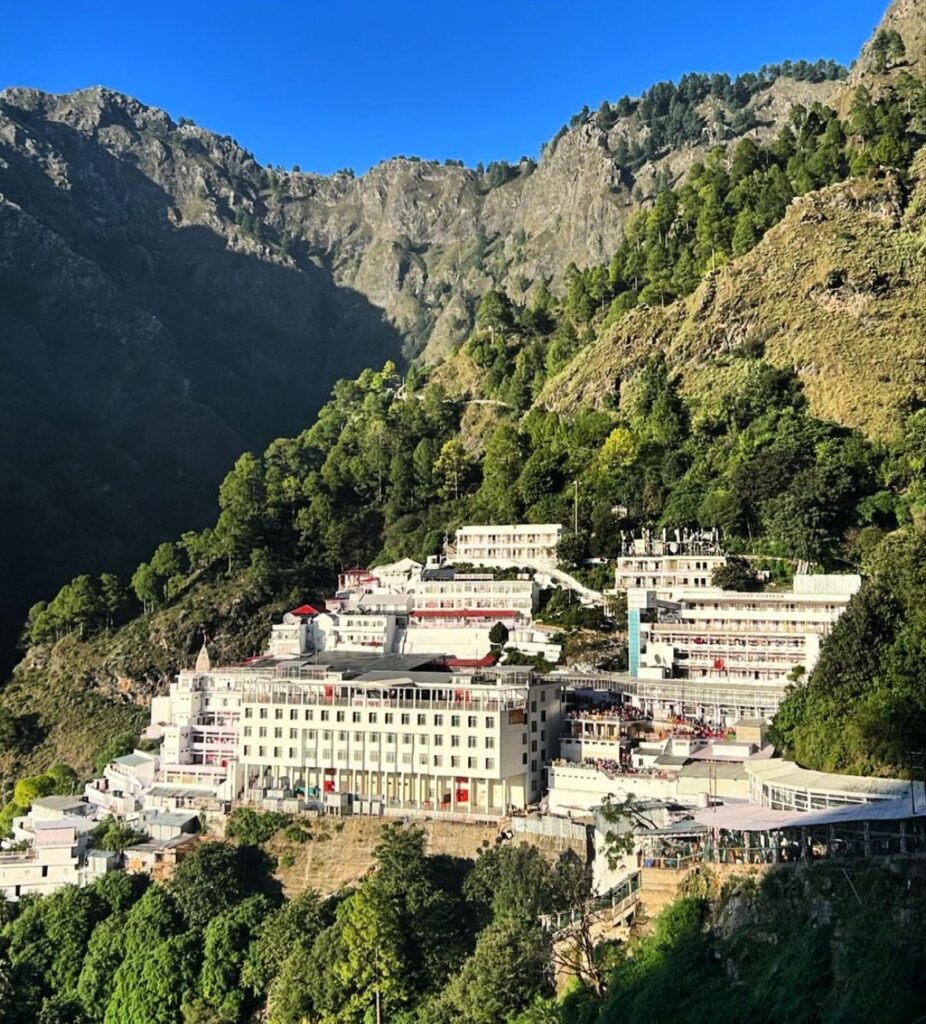
Vaishno Devi Temple (09): Mata Vaishno Devi Mandir is located at Trikuta Hills, Katra, Jammu and Kashmir and is one of the holiest Hindu temples dedicated to Shakti, MaaBhagwati. MaaVaishno Devi, also known as Mata Rani, Vaishnavi and is a manifestation of the Mother Goddess. MaaVaishno Devi Shrine is at an altitude of 5200 feet and a distance of approximately 13.5 kilometres (8.4 miles) from Katra. Approximately 8 million pilgrims (yatris) visit the temple every year and it is the second most visited famous religious shrine in India after Tirumala Venkateswara Temple. Overnight stay at Hotel in Jammu.
Day 09: Jammu – New Delhi (460 Kms/6 Hrs)
-
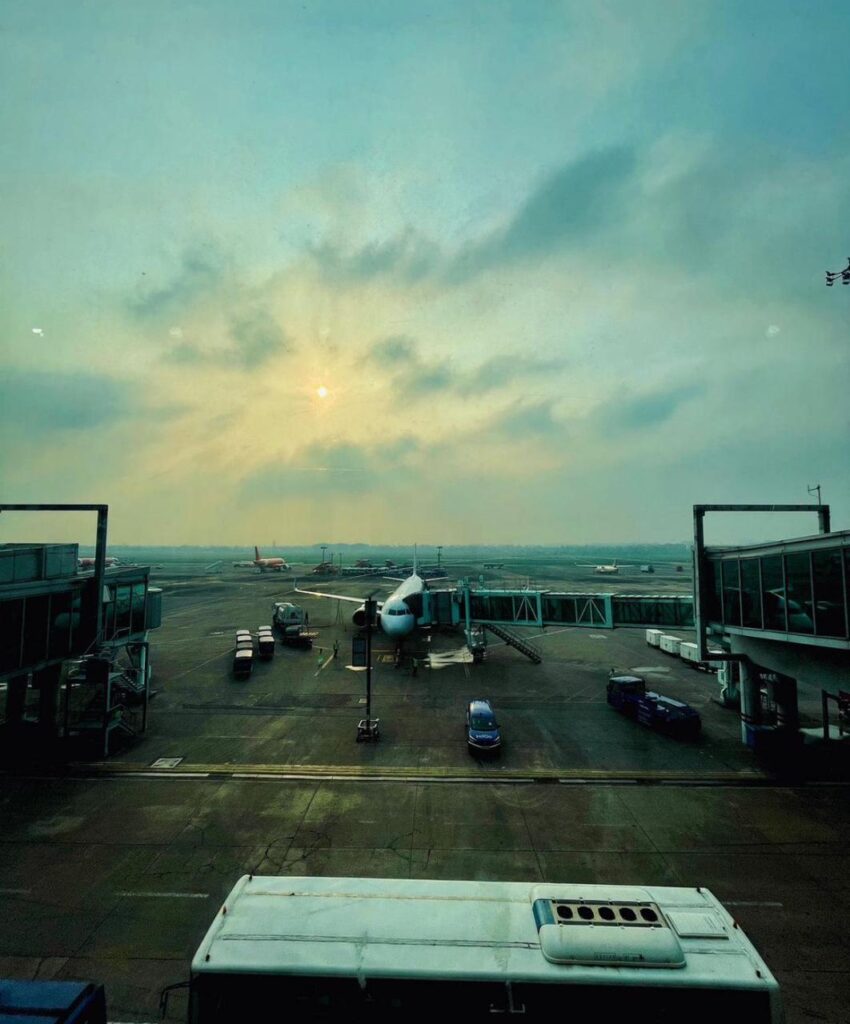
After breakfast journey to the back home or final destination

Day 10: Title
- Lorem ipsum is a placeholder text commonly used to demonstrate the visual form of a document or a typeface without relying on meaningful content. Lorem ipsum is a placeholder text commonly used to demonstrate
- Lorem ipsum is a placeholder text commonly used to demonstrate the visual form of a document or a typeface without relying on meaningful content. Lorem ipsum is a placeholder text commonly used to demonstrate